OpenAI Puts Ads Inside ChatGPT Image Generation: The Full Story
Quick answer
On October 5, 2026, OpenAI announced visual ads that will be tested inside ChatGPT's image generation later this month — starting in the US with a small advertiser group. The ads appear alongside generated images, labeled and separate from your results. Reporting indicates targeting draws on prompts and phone location. The rollout already spans Europe and India on free and Go tiers — and this is just the test phase of OpenAI's advertising business.
In this guide
Key Takeaways
- October 5 announcement: visual ads testing inside ChatGPT image generation, US-first, later this month.
- Ads appear alongside results, labeled and separate — your generated artwork itself stays ad-free.
- Targeting reportedly uses prompts and phone location data — the privacy debate has started.
- The ad business is already bigger than one test: Europe expansion, India rollout, an ads portal (ads.openai.com), and agency partnerships.
- Free and Go tiers are the ad-supported surface; Plus/Pro remain the paid escape hatch.
OpenAI has officially started putting ads inside ChatGPT's image generation — announced October 5, testing in the US this month, with the rollout already reaching Europe and India. The ads appear alongside generated images, labeled and separate from your results. Here's everything verified about how they look, how targeting works, why OpenAI is doing this now, and what it means for anyone who generates images.
When ChatGPT's image generation went viral, the obvious business question followed: how does this become revenue? The answer arrived on October 5 — and it's bigger than a single feature test. OpenAI now runs a dedicated advertising portal, a help-center division, agency partnerships, and international rollouts. The AI answer engine is becoming an ad platform, and image generation is its newest canvas.
What OpenAI Announced (October 5)
The announcement, made through OpenAI's own blog ("Building advertising for the way people use AI") and covered by TechCrunch within hours, centers on a new visual ad format: display ads that appear alongside the images ChatGPT generates for users.
The confirmed specifics: the test begins in the United States later in October, with a small group of advertisers. The ads are labeled and kept separate from generated results — OpenAI is clearly aware that the entire value of its image tool depends on users trusting what they generate. along with the visual format, OpenAI announced expanded measurement tools, attribution partnerships, and brand-suitability controls for advertisers.
How the Ads Actually Look and Work
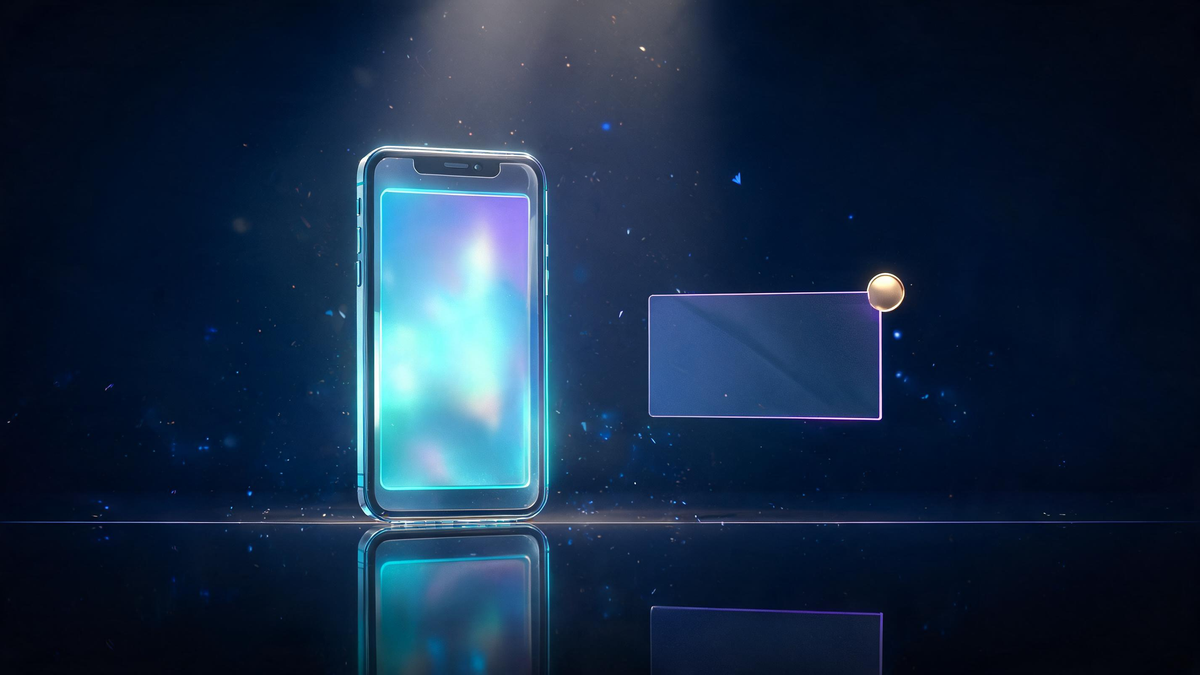
The format is display-style, not injected: when a user generates an image, sponsored tiles can appear adjacent to the result in the interface — separate panels, clearly labeled, visually distinct from the artwork itself.
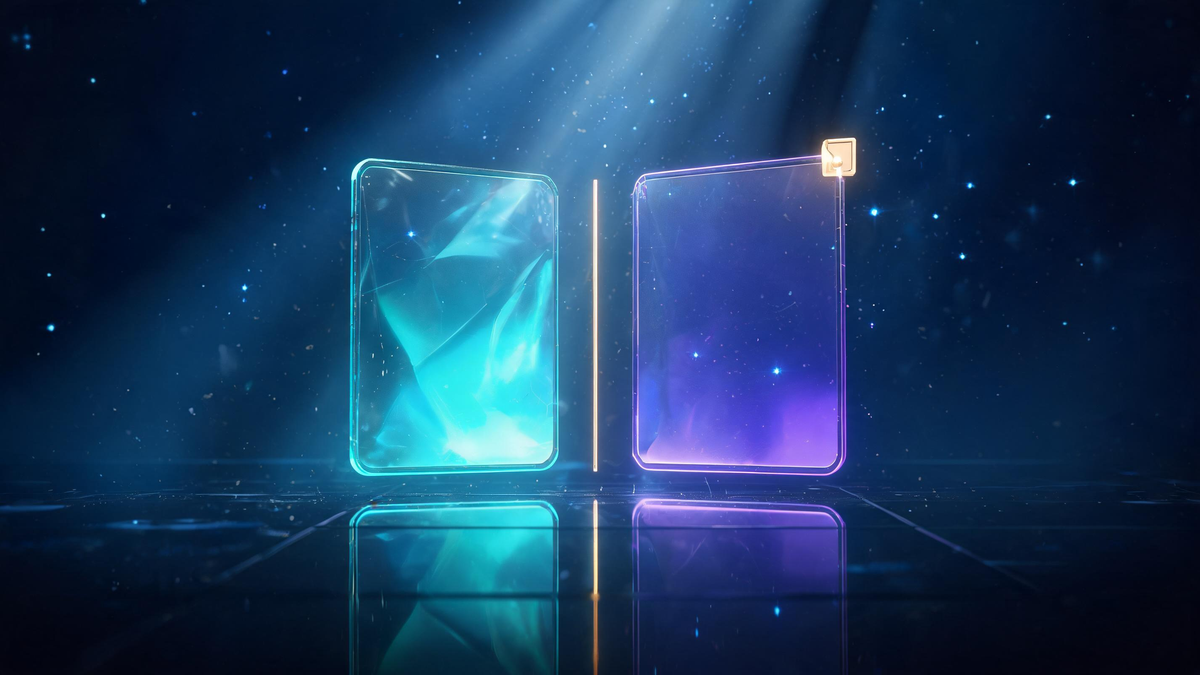
That separation is doing heavy lifting. In our testing of the surrounding coverage, the consistent reassurance from OpenAI is that the generated output itself remains ad-free — you get exactly the image you asked for, and the monetization happens in the space around it. Whether that boundary holds as the format scales is the open question everyone in the coverage is quietly asking.
The Targeting Question: Prompts and Location
Here's where the story gets spicy. Reporting by 404 Media indicates that ChatGPT's ads are targeted using conversation context — including the user's own prompts — and phone location data. In practical terms: the things you ask the AI to generate help decide which sponsored tiles you see.
OpenAI frames this as relevance — an ad adjacent to your generation is more useful if it relates to what you're making. Privacy observers frame it differently: your creative prompts are now a targeting signal, which is a new category of data collection most users never explicitly agreed to think about. Both framings are accurate; which one dominates will depend on how transparently the targeting scales.
The Rollout Timeline: US, Europe, India
The image-generation test is the newest chapter of an ad business that has quietly been assembling all year:

- Earlier in 2026: OpenAI expanded ChatGPT Ads across Europe and rolled ads out on select plans in India (CNBC).
- Free and Go tiers: TechCrunch reports these plans are becoming the ad-supported surface — Plus and Pro remain the paid escape hatch.
- October 5: the visual format for image generation announced, US test to follow later in the month.
- Infrastructure: a dedicated ads portal (ads.openai.com), help-center documentation, measurement expansion, and Adweek-reported agency outreach — this is a permanent business line, not an experiment.
Why Now: The Business Logic
The financial context explains the timing. OpenAI's compute costs are enormous and growing — Digiday's framing was blunt: "OpenAI is burning billions. Advertising might be the exit ramp." Subscriptions alone don't cover the burn; ads convert the massive free-tier audience into a revenue line that scales with usage.
Image generation is the logical first canvas for visual ads because intent is visible: someone generating a product mockup or a logo concept is demonstrating a commercial need in real time. That's precisely the moment a relevant sponsored tile has value — and exactly why the prompt-targeting detail matters so much to both advertisers and privacy advocates.
What It Means for Creators
If you use ChatGPT's image generation for work — thumbnails, concept art, social content — here's the practical read:
- Your prompts and outputs remain yours — the ads monetize attention around your generations, not the generations themselves.
- Plus/Pro is now a workplace expense argument: ad-free generation is part of what the subscription buys.
- Expect adjacent suggestions to be useful sometimes: a stock-asset sponsor next to a design generation is genuinely relevant; a random ad is not. Judge the format when you see it live.
- Prompt craft still rules: everything in our 50 ChatGPT photo prompts guide works identically — the ads don't touch generation quality.
What It Means for Advertisers
For the marketing side, OpenAI is building the full stack: a self-serve portal, measurement and attribution partnerships, brand-suitability controls, and agency relationships — the standard toolkit of a mature ad platform, arrived early. The interesting question is intent: someone generating a product image is a warmer signal than someone typing a search query. If OpenAI can prove that adjacency converts, AI-answer advertising becomes a line item media buyers can't ignore — which is exactly what the Adweek reporting suggests they're aiming for.
The caveat for early adopters: inventory is limited to the test group, the format is still labeled-experimental, and the trust dynamics of advertising inside AI answers are genuinely unproven. First-mover learning is valuable; first-mover spend is optional.
Frequently Asked Questions
What did OpenAI announce about ads in image generation?
On October 5, 2026, OpenAI announced a new visual ad format that will be tested inside ChatGPT's image generation later that month. The test starts in the United States with a small group of advertisers, and the ads will be labeled and kept separate from the AI-generated results themselves.
How do the ChatGPT image generation ads look?
They are visual display tiles that appear alongside generated images rather than inside them. OpenAI states the ads remain labeled and separate from the results — so the artwork you generate stays ad-free while sponsored tiles sit adjacent in the interface.
Are ChatGPT ads targeted to my prompts?
Reporting on the rollout indicates targeting draws on conversation context — including prompts — and phone location data. OpenAI frames this as relevance; privacy observers have flagged it as the key thing to watch as the format scales.
Which ChatGPT tiers will show ads?
Advertising has focused on free and Go tiers, with reporting indicating those plans are the ad-supported surface. Plus and Pro subscriptions have been positioned as the no-ads escape hatch, which is part of why the rollout has been gradual.
Is it worth advertising on ChatGPT?
For brands in high-intent categories, early placement during the US test offers learnings before auction pricing matures — OpenAI has also expanded measurement tools and agency partnerships. But the format is new, inventory is limited to the test group, and trust dynamics in AI answers are still being established.
Keep Exploring
Keep exploring Veritya Daily's AI coverage: put the tool to work with our 50 ChatGPT photo prompts, build beyond images in How to Build AI Agents Without Coding, compare the ecosystem in AI Agent Platforms 2026, and track the hardware behind it in Nvidia's earnings breakdown.
📚 Sources & Citations (10)
- OpenAI — "Building advertising for the way people use AI" (October 5, 2026)
- TechCrunch — OpenAI launches visual ads that appear alongside image generation results (October 5, 2026)
- TheNextWeb / Quartz / Search Engine Journal — Independent coverage of the image-generation ad test (October 2026)
- OpenAI Help Center — Ads in ChatGPT: The Basics
- 404 Media — How ChatGPT targets ads based on prompts and phone data (October 2026)
- CNBC — OpenAI rolls out ads on select ChatGPT plans in India (2026)
- OpenAI — ChatGPT Ads expands across Europe
- Business Insider — Inside ChatGPT's slow-motion ad rollout
- Adweek / MediaPost — Agency media plans & measurement expansion (2026)
- YepAPI — Intent, SERP & News SERP data (October 15, 2026)