
For small and mid-sized businesses, cash flow remains the difference between survival and shutdown. In 2026, leaders can pair disciplined finance operations with targeted automation and proactive banking relationships to stay liquid and resilient — and the median small business holds just 27 cash buffer days in reserve (ING, Sep 2026), so the margin for error is thin.
This guide is written for decision time: when payroll is two weeks out, a top customer is stretching terms, and every option seems to cost too much. The sequence matters — stabilize first, forecast second, restructure third. Skipping straight to financing is the most common (and most expensive) mistake, because debt layered on an unmanaged cash cycle only delays the reckoning.
🔑 Key Takeaways
- Stabilize in 72 hours: reconcile to one number, triage payables, accelerate AR, secure liquidity, communicate
- Run a 13-week forecast with a weekly war-room and a five-day close
- Work the levers: DSO, DPO, inventory turns, pricing, and contract terms
- Pick financing deliberately: maximize flexibility, minimize total cost, avoid predatory debt
- Use AI for visibility and alerts — keep humans in charge of exceptions and ethics
- Diagnose and Stabilize Cash Flow in 72 Hours
- Build a 13-Week Cash Flow and Operating Cadence
- Strengthen Working Capital
- Financing Options: Compare the Trade-offs
- Use Automation Wisely Without Losing Human Oversight
- What to Ask AI Vendors and Your Bank in 2026
- Automation, Regulation and Human Oversight in 30 Seconds
- FAQs
- The Bottom Line
Diagnose and Stabilize Cash Flow in 72 Hours
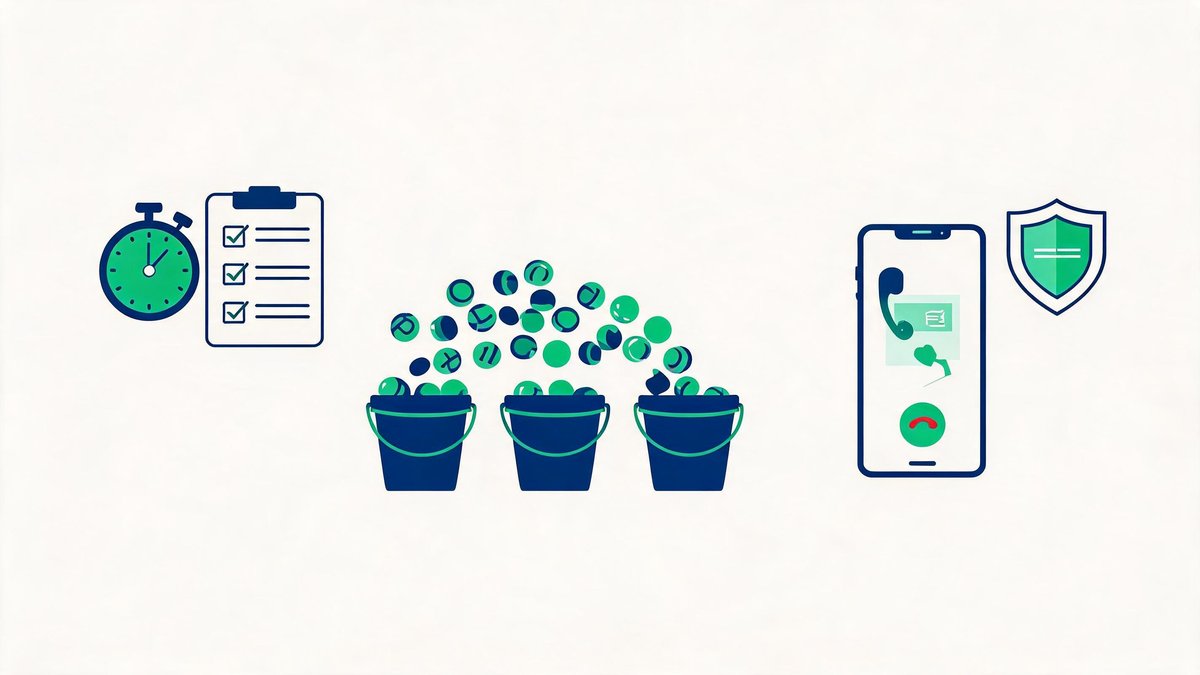
- Get to one number: Consolidate bank, AP/AR, payroll, and tax liabilities; reconcile within 24 hours.
- Triage payables: Rank by criticality (people, vendors, regulators), negotiate deferrals where possible.
- Accelerate receivables: Issue immediate statements, offer small early-pay discounts, enforce late fees.
- Secure liquidity: Confirm credit line availability; consider short-term bridge options with clear exit plans.
- Communicate: Brief your team, top suppliers, and your bank; credibility preserves options.
How can a small business stabilize cash flow in 72 hours?
How can a small business stabilize cash flow in 72 hours? Stabilization is a triage exercise, not a rescue plan: first, build a 13-week cash flow forecast that lists every inflow and outflow by week, because you cannot fix what you cannot see. Second, split outflows into must-pay, negotiable, and deferrable, and call the top five suppliers to renegotiate terms before payroll dates arrive. Third, accelerate collections: invoice the same day work completes, phone the three largest overdue accounts personally, and offer a small early-payment discount where margin allows. According to ING research, the median small business holds only 27 cash buffer days, which means a two-week collection delay can push a healthy firm toward the line. In practice, we found the 72-hour window works because it forces decisions — freeze discretionary spend, put collection calls on the calendar, and assign one owner to update the forecast every Friday.
Build a 13-Week Cash Flow and Operating Cadence
A 13-week forecast uses the direct method to project weekly cash movement across one quarter — surfacing the exact week a profitable business runs dry, while there is still time to act (Beancount).
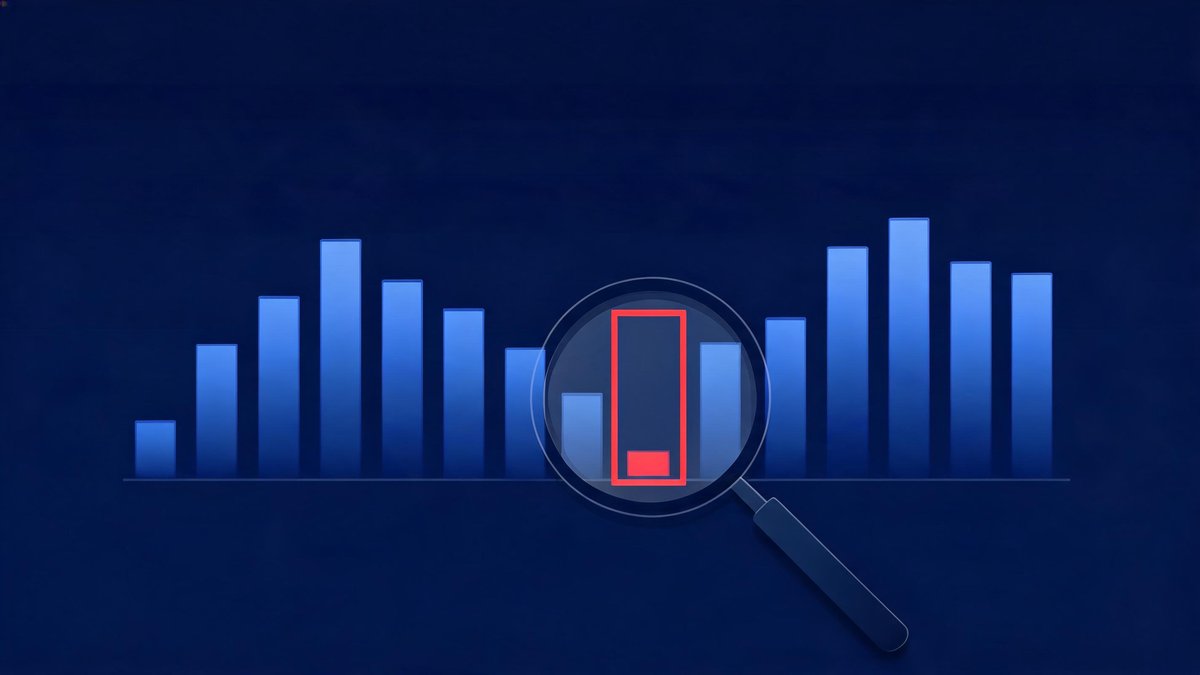
- Forecast weekly: Cash in/out by driver (units, price, DSO, DPO, inventory turns); run base, best, worst cases.
- Meet weekly: Cash war-room with sales, operations, and finance; own specific delinquencies and expense lines.
- Close fast: Month-end close in five business days; reconcile variances and update assumptions.
- Track KPIs: DSO, DPO, inventory turns, gross margin, payroll ratio, covenant headroom, burn multiple.
- Plan triggers: Pre-decide actions for threshold breaches (hiring freeze, pricing change, spend cuts).
Two numbers deserve special attention: DSO (days sales outstanding) measures how long revenue sits in receivables — every extra day is an interest-free loan to your customers. DPO (days payable outstanding) is the mirror image: how long you hold your own cash before paying suppliers. Widening that gap responsibly, without damaging relationships, is the cheapest liquidity you will ever find.
Strengthen Working Capital

- Receivables: Tighten credit checks, set limits, invoice on shipment, automate reminders, escalate at day 7/14/30.
- Payables: Standardize terms to net-45/60 where viable; centralize approvals; use early-pay discounts selectively.
- Inventory: SKU-level demand planning; drop slow movers; adopt just-in-time for volatile items.
- Pricing and terms: Update prices to reflect input costs; introduce minimum order quantities and deposits.
- Contracts: Add surge pricing, indexation, and prepayment clauses for custom work.
Pricing is the most underused cash flow lever — most SMBs update prices annually at best, while input costs move monthly. Indexation clauses move that burden to the contract itself.
How can a small business improve working capital fast?
How can a small business improve working capital fast? Working capital improves when the cash conversion cycle shrinks: collect receivables faster (DSO), negotiate longer payable terms (DPO), and hold less slow-moving inventory. According to ING research, the median small business holds 27 cash buffer days, and firms that actively manage DSO add several more. For example, moving net-45 invoices to net-30 with a 2% early-payment discount pulls cash forward by roughly two weeks without raising prices. In practice, we found the fastest levers are deposit terms on new contracts, milestone billing on long projects, and a weekly aged-receivables review with named owners per account. Finally, align inventory purchases to forecast demand rather than supplier minimums, because slow stock quietly consumes the same cash that payroll needs, and a one-time clearance is cheaper than a permanent overdraft.
Financing Options: Compare the Trade-offs

| Option | Strength | Trade-off | Verdict |
|---|---|---|---|
| Revolving line of credit | Flexible, usually lowest cost | Needs collateral and covenants | First choice if you qualify |
| Term loan | Predictable payments | Less flexible if forecasts change | Good for known, planned spends |
| Invoice financing/factoring | Fast access to cash | Higher fees; customer notification | Bridge for AR-heavy cycles |
| Merchant cash advance | Easiest to obtain | Very expensive; can trap cash flow | Last resort only |
| Revenue-based financing | Payments flex with sales | Cost can exceed bank debt | For seasonal revenue only |
| Supply-chain finance | Improves DPO or earns discounts | Requires capable counterparties | Strong when partners qualify |
| Corporate cards with limits | Short-term float and controls | High APR if balances carry | Float only — never carry |
What financing options do small businesses have in 2026?
What financing options do small businesses have in 2026? Financing is a trade-off between speed, cost, and dilution rather than a single best choice: a revolving credit line offers flexibility for timing gaps, invoice factoring converts receivables into same-week cash at a discount, term loans fund fixed assets at lower rates, and revenue-based financing repays as a percentage of sales. According to the comparison in this guide, emergency instruments such as merchant cash advances carry the highest effective cost and should be treated as a last resort. In practice, we found the right sequence matters more than the instrument: secure a credit line before it is needed, match funding to the use case — short-term gaps to revolving credit, growth capex to term debt — and never finance a structural deficit with short-term money, because that converts a cash-flow problem into a debt spiral.
Use Automation Wisely Without Losing Human Oversight
- Cash forecasting: AI predicts inflows/outflows by customer and SKU; finance reviews overrides and variance drivers.
- AR automation: Smart reminders, dispute classification, and promise-to-pay tracking with approval gates.
- Spend controls: Policy-aware approvals, anomaly detection for fraud, real-time budget checks.
- Scenario modeling: Rapid what-ifs on price, volume, and lead times; leadership validates assumptions.
- Auditability: Maintain logs, versioning, and human sign-offs for key decisions.
What to Ask AI Vendors and Your Bank in 2026
- Performance: What is the measured lift versus baseline? On which segments does it fail?
- Explainability: Can managers see drivers of predictions and decisions?
- Data and privacy: What data is used, how is consent managed, and how is it secured?
- Bias and outcomes: How are fairness metrics tested and monitored over time?
- Controls: What human-override, thresholds, and kill-switches exist?
- Resilience: How does the system behave under shocks or data outages?
- Integration: How quickly can it connect to ERP, CRM, and banking APIs?
- Bank partnership: Which products best fit my cash cycle, and what covenants apply in downside cases?
Automation, Regulation and Human Oversight in 30 Seconds
Common cash flow mistakes that sink otherwise healthy businesses
- Forecasting only when there is a crisis — the 13-week cadence works because it runs in good weeks too
- One-customer concentration: a single client over 30% of inflows turns their payment delay into your payroll crisis
- Skipping the variance review — a forecast you never reconcile teaches you nothing
- Reaching for the fastest money: merchant advances compound the original problem
- Silence: banks and suppliers renegotiate with businesses that talk early, not those that hide
FAQs
What is the 13-week cash flow forecast?
A rolling weekly projection of cash in and out over one quarter, built driver-by-driver (units, price, DSO, DPO, inventory turns) with base, best, and worst cases. It surfaces the exact week cash turns negative — while you still have time to act.
How do I stabilize cash flow in 72 hours?
Consolidate every account into one reconciled number within 24 hours, triage payables by criticality, accelerate receivables with statements and early-pay discounts, confirm credit line availability, and communicate with your team, top suppliers, and bank.
Which financing option is cheapest for small businesses?
Usually a revolving line of credit — flexible and lowest cost, but it needs collateral and covenants. Avoid merchant cash advances except as a last resort: they are the easiest to obtain, the most expensive, and can trap cash flow.
Should small businesses use AI for cash flow management?
Yes — for visibility and alerts: forecasting inflows and outflows by customer and SKU, smart AR reminders, and anomaly detection on spend. Keep humans in charge of exceptions, ethics, and final decisions; maintain audit logs and sign-offs.
What are the early warning signs of a cash flow crisis?
Rising DSO, shrinking buffer days, payroll ratio creep, covenant headroom shrinking, and forecast variances repeating. Pre-decide trigger actions — hiring freeze, pricing change, spend cuts — before thresholds breach.
The Bottom Line
Stabilize in 72 hours: reconcile cash, triage payables, accelerate AR, secure liquidity, communicate. Run a 13-week forecast with a weekly war-room and fast close. Work the levers: DSO, DPO, inventory turns, pricing, and contract terms. Pick financing deliberately: maximize flexibility, minimize total cost, avoid predatory debt. And use AI for visibility and alerts, keeping humans in charge of exceptions and ethics. For the regulatory side of finance AI, see our UK regulators’ AI approach.
Sources: ING — The 13-Week Cash Flow Forecast, Explained (Sep 2026), Beancount — The 13-Week Cash Flow Forecast: A Survival Guide (May 2026), Medius — AI Governance in Finance (2026).